I went on a meditation retreat a couple of weekends ago and it was great!
On a silent meditation retreat, we can step out of our normal routines and slow way, waaaaay down. We’re invited to sit in stillness and to settle the mind into a quiet state of awareness.
This can be quite a process, this stilling. It took me a whole day to settle. The mind is so used to darting here and there, problem-solving, and generally *taking care of business*.
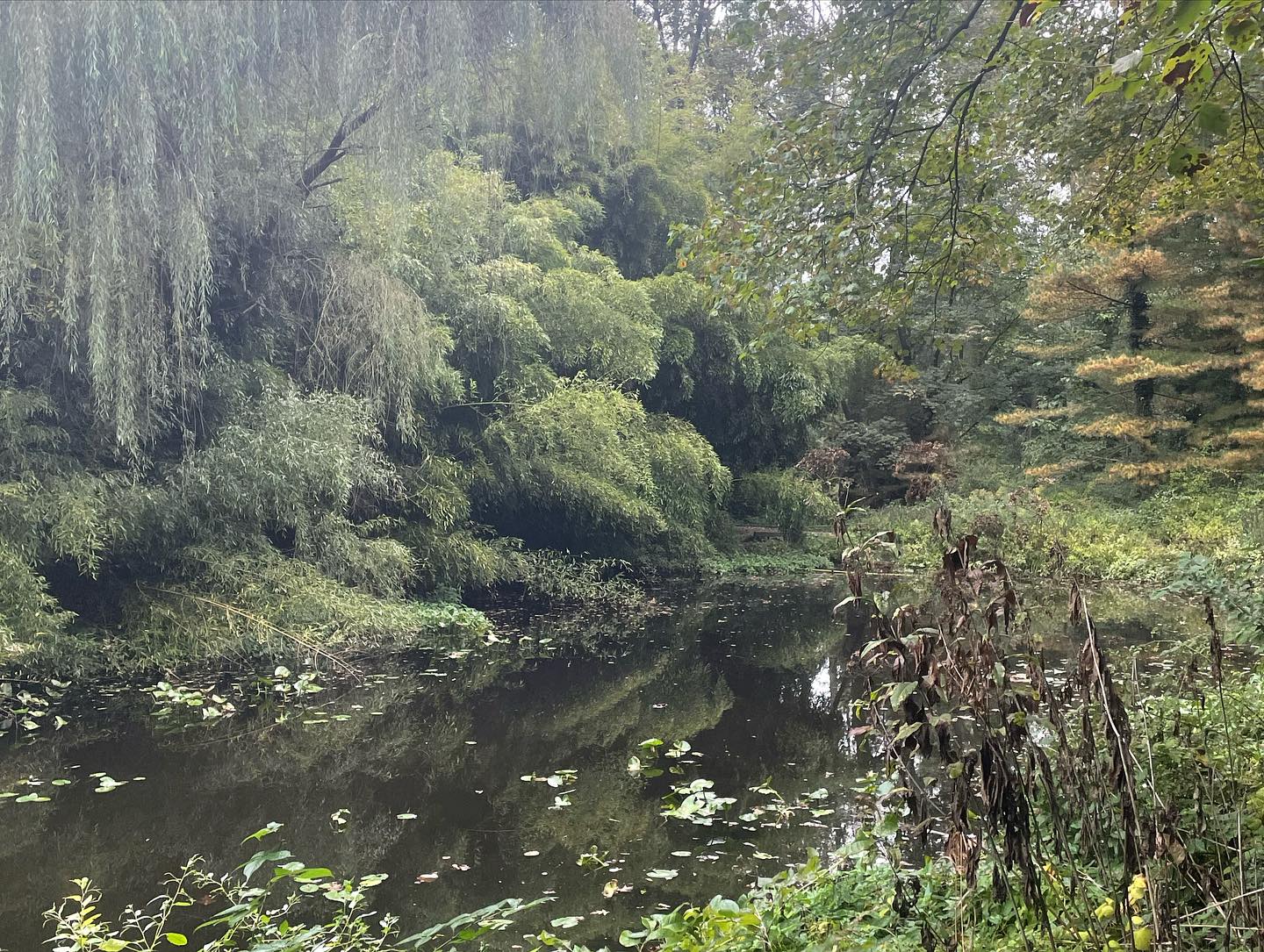
Our retreat leader instructed us to pay close attention to the breath and to silently recite these lines, I know I’m breathing in, I know I’m breathing out
These lines helped us develop concentration, which strengthens our ability to stay in the present moment. With this concentration and with plenty of time to relax and do nothing but sit, walk, eat, and sleep, we were able to notice when thoughts were arising and to choose whether to think them or not (we were encouraged not to think them for now).
With deeper concentration comes more awareness; awareness of what’s really happening in the present moment – sensations arising, sounds in the
environment . . .
I know I’m breathing in. I know I’m breathing out.
We can even notice when thoughts and emotions want to arise. And we can choose to allow them in or to say, not right now, and just stay with the breath.
I know I’m breathing in. I know I’m breathing out.
When we’re drawn into our thoughts and emotions in meditation, our teacher called this entanglement. There’s nothing wrong with it, but when entangled we’re most likely no longer aware of the present moment. We’re entangled in the mind’s busy-ness. This is probably where most of us live.
I know I’m breathing in. I know I’m breathing out.
When we practice staying with the breath, we can get a little mental vacation and rest in quiet awareness.
Sound appealing? Stick with me . . . next month I’m teaching Beginning Meditation.
 Michelle Stortz